

A simple yet essential part of maintaining good health is understanding the role of hydration. However, the majority of individuals do not consume enough fluids on a daily basis. Research suggests that a large proportion of adults worldwide do not meet recommended daily fluid intake levels. Drinking adequate water becomes increasingly important as we become older.
Dehydration is relatively common among older adults, with studies showing prevalence rates ranging from mild to clinically significant, making it a common condition in this demographic. Dehydration is more common in adults 60 and older for many reasons, including changes in body composition and natural decreases in thirst.
Additionally, older persons are more likely to use diuretics and other drugs that deplete bodily fluids. These are strong reasons to prioritize hydration and aim to meet general daily fluid intake recommendations, which vary based on age, activity level, climate, and overall health.
Why You Should Stay Hydrated
1. Improves Brain Function
Brain function can be significantly affected by even modest dehydration, which is defined as a loss of only 2% of your body’s fluids. Even mild dehydration can influence memory, mood, focus, and processing speed. Although these changes may seem minor, they can make everyday tasks and decision-making more difficult.
In many cases, increasing daily water intake can lead to noticeable improvements. Keeping hydrated can help you better concentrate, control your mood, and lower stress or anxiety. It’s a straightforward, natural way to support mental well-being.
Older persons especially benefit from this since they are more prone to both dehydration and age-related cognitive loss. They might not drink enough fluids without knowing it because age reduces the feeling of thirst. Maintaining cognitive health throughout life depends on giving regular water intake first priority; it’s a simple and highly effective habit.
2. Digestive Benefits
Maintaining a healthy digestive system depends greatly on staying hydrated; it also helps to restore regularity when things seem wrong. Water helps soluble fiber absorb fluid, forming a gel-like substance that supports regular bowel movements.
Digestion slows down without enough fluids, which causes problems like gas, bloating, heartburn, and even constipation. These can upset your daily life and be very uncomfortable. Mineral water containing sodium or magnesium may be helpful, as these minerals support muscle function and fluid balance.
Correct hydration guarantees your body has the supplies it requires to effectively digest food, absorb nutrients, and expel waste. A simple and effective approach to promoting long-term digestive health is to regularly include water in your daily life.
3. More Energy
Particularly in the areas of circulation and oxygen delivery, dehydration can have a major impact on the capacity of your body to perform properly. Your blood volume drops when you are not adequately hydrated, which makes it more difficult for your heart to pump oxygen-rich blood all throughout your body.
This makes your cardiovascular system work harder, which can make you feel tired, slow, and mentally unclear. Ignoring the role of hydration might cause obvious dips in concentration and energy. This extra stress on your body could cause daily activities to feel more draining than they normally would.
Enough water intake aids in keeping your heart’s ability to effectively circulate oxygen and maintain a good blood flow. Staying properly hydrated not only boosts physical stamina but also increases mental clarity and general energy levels, which will enable you to remain alert, focused, and productive throughout the day.
4. Weight Loss and Weight Management
Water helps you feel content between meals—instead of reaching for the snack cabinet—because it gives you a feeling of fullness. Additionally, it might increase your metabolism. Think about this: Some studies have found that drinking water before meals may support modest weight loss in certain individuals.
Another study found that those who increased their water consumption by only 1% consumed fewer calories. Moreover, they consumed less sugar, cholesterol, salt, and saturated fat overall. According to a different investigation, drinking water before meals, increasing daily water consumption, and substituting water for caloric drinks all resulted in a weight reduction of 5% on average.
5. Aids Joint Pain
Cartilage has a high water content, which is essential for joint cushioning and flexibility. Keeping joints adequately lubricated and working correctly depends on this high water content. Sufficient hydration keeps the cartilage flexible and spongy, which cushions bone-to-bone contact during movement and helps to absorb shock.
Your joints can move more easily and with less stress thanks to this cushioning effect, which lowers pain and discomfort and helps reduce stiffness. Conversely, dehydration dries out cartilage and lowers its effectiveness, which may increase wear and tear over time.
For those who are physically active or have arthritis, this is very crucial. Drinking enough water each day helps to keep your joints healthy, lowers inflammation, and keeps you flexible. This makes it easier for you to move and improves your general mobility as you get older.
6. Temperature Regulation
Research shows that dehydration can impair the body’s ability to regulate temperature effectively. Your body finds it difficult to make adequate sweat, which is its main cooling system, when you are dehydrated.
Your body temperature therefore rises faster, which lowers your tolerance to heat and raises the chance of overheating. This can be particularly risky during physical activity or in hot environments because the body already has to work hard to keep itself cool.
Drinking enough water before, during, and after exercise helps your body sweat efficiently, which helps it release heat and keep a safe temperature. Preventing heat exhaustion, heat stroke, and other heat-related disorders depends critically on this inherent cooling system.
Staying well hydrated is a basic but crucial first line of defense against heat-related illness and for supporting performance in warm surroundings.
Read More: 9 Foods To Eat For Hydration
7. Kidney Stone Prevention
When specific compounds such as calcium, oxalate, or uric acid become very concentrated in the urine, kidney stones develop in the urinary tract as uncomfortable clusters of mineral crystals. Anyone who has ever had one understands how severe the discomfort can be.
One of the best strategies to help avoid kidney stones is staying properly hydrated. Drinking lots of water helps dilute these minerals, so they are less prone to bind together and create stones. The importance of hydration is that it also promotes frequent urination, which helps eliminate waste before it has a chance to accumulate.
Drinking water improves general urinary tract health as well as lowers the chance of kidney stones. It promotes the removal of dangerous bacteria from the urinary tract and bladder, so lowering the possibility of infections like UTIs. Long-term kidney and bladder health can greatly benefit from just raising your daily water intake.
8. Healthier Heart
Most of your blood is water, which is essential for keeping good circulation and transporting nutrients all around your body. Your blood gets thicker when you don’t drink enough water. This can throw off the balance of important electrolytes like sodium and potassium.
Electrolytes such as sodium and potassium play a key role in muscle contraction, including maintaining a normal heart rhythm. An imbalance could throw off your heart’s rhythm and cause irregular heartbeats, tiredness, or even more serious cardiovascular problems.
Good hydration helps keep the correct equilibrium of fluids and electrolytes, therefore guaranteeing that your blood flows freely and your heart can work properly. A basic but effective approach to help the heart, enhance circulation, and lower the chance of difficulties from dehydration and electrolyte abnormalities is to drink sufficient water every day.
Advice on Maintaining Hydration
The following useful advice will assist you in maintaining proper hydration levels throughout the day if you realize the role of hydration:
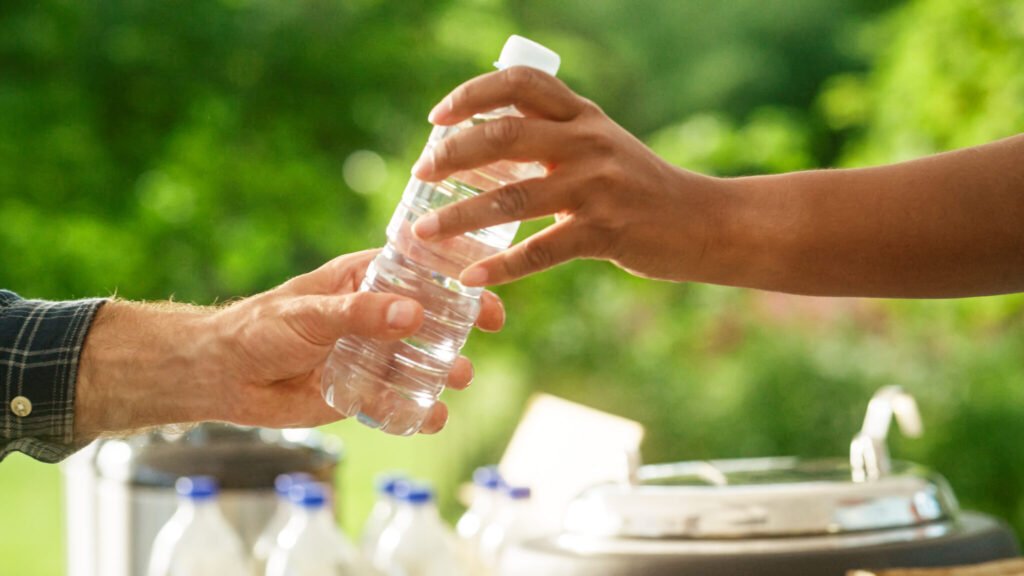
Bring a reusable water bottle: Keep one with you at all times, and drink water often throughout the day to keep hydrated.
Set reminders: If you have a tendency to forget, use smartphone applications or set reminders to drink water at regular intervals.
Taste your water: To make your water more enticing and pleasurable, add natural tastes like lemon, cucumber, mint, or berries.
Drink before meals: To stay hydrated and support a healthy digestive system, have a glass of water before meals.
Keep an eye on your alcohol and caffeine intake: Alcoholic and highly caffeinated drinks should be consumed in moderation, as they may contribute to fluid loss.
Consume foods that are high in water content: Include foods such as watermelon, cucumbers, oranges, celery, tomatoes, and leafy greens in your diet.
Be attentive while working out: To stay hydrated and replace fluids lost via perspiration, drink water before, during, and after physical activity.
Pay attention to your body: To assess your level of hydration, consider your feelings, urine color, and thirst signals.
This article is for informational purposes only and does not replace professional medical advice. Individual hydration needs may vary.
FAQ
Q: How important is hydration for general health?
A: It is essential for numerous bodily processes, including supplying nutrition to cells, eliminating waste, protecting joints and organs, and regulating body temperature. Usually, water should be your preferred beverage.
Q: What is the most crucial aspect of staying hydrated?
A: Drinking fluids regularly throughout the day is crucial, with needs varying based on activity, climate, and individual health. You run a higher risk of being dehydrated if you’re active or if it’s very hot outside. You should consume more fluids to keep hydrated.
Q: What impact does hydration have on digestion?
A: Water aids in the breakdown of meals so that the nutrients may be used by your body. It aids in the production of saliva, often known as spit. Water is a component of other bodily fluids, including blood and urine, as well as the stomach acid that aids in digestion. Constipation may be avoided by drinking adequate water, which also softens stool.
Q: What impact does hydration have on sleep?
A: For some individuals, dehydration may cause headaches and migraines, making it more difficult to fall and remain asleep. Morning thirst is another common sign. Someone who is thirsty may wake up in the middle of the night or early in the morning. Dry mouth can also occur, and irritation from dryness may make it harder to fall asleep.