It’s easy to go for highly processed foods when you’re hungry in between meals. These fast solutions, which are often heavy in sugar, salt, and saturated and trans fats, might make you feel lethargic and unfulfilled.
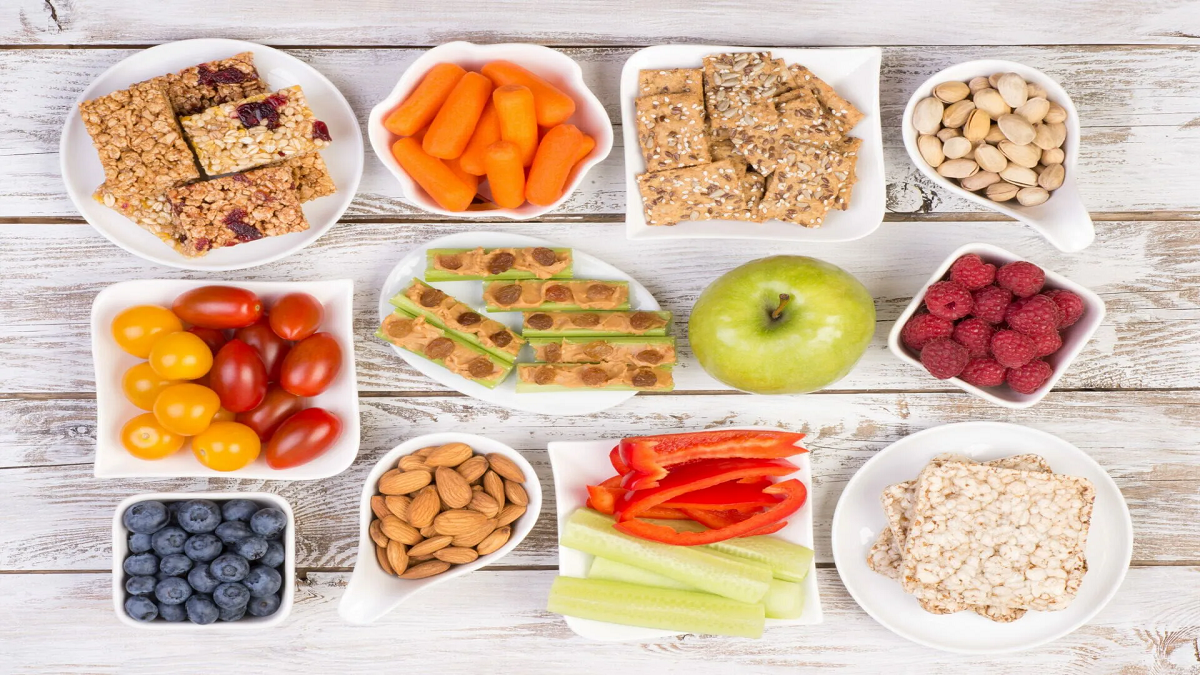
Additionally, they increase the risk of heart and circulatory problems. Rather, look for healthy snack ideas for kids and adults that include whole foods like whole grains, nuts, and fresh fruits. Here are some tasty, easy-to-prepare sweet and savory options that are good for your health and will help keep you full until your next meal.
Moreover, most individuals do not consume enough produce, so snacking may help you improve your consumption of nutrient-rich foods like fruits and vegetables. Snacks may help you reach your weight management objectives by controlling hunger and ensuring that you are full in between meals if you plan ahead and prioritize nutrient-rich foods.
Some Snacks You Can Munch on with Your Kids
1. Yogurt
Because of its high calcium and protein content, yogurt is one of the great healthy snack ideas for kids and grown-ups, as both of these nutrients are vital for proper growth and development. Especially during childhood, calcium helps to create strong bones and teeth.
Many varieties of yogurt include live, active cultures—that is, good bacteria—that aid in keeping a healthy digestive system going. It is, though, imperative to read labels attentively since many yogurts targeted at youngsters contain large quantities of added sugar.
Full-fat, plain yogurt and natural sweetener with fresh fruit or a small amount of honey will provide a better choice. Remember, though, honey should never be given to infants less than twelve months old, as it may have Clostridium botulinum spores, a rare but serious illness caused by the bacterium infant botulism.
2. Mixed Nuts
Offering the ideal mix of fiber, protein, and beneficial lipids, nuts are a very nutritious snack that’s both delicious and one of the best healthy snack ideas for adults. They promote healthy growth and brain development while also helping children stay satisfied between meals.
Aside from being tasty and practical, nuts are nutrient-rich, containing vital elements including magnesium, vitamin E, and antioxidants, therefore promoting heart health and lowering inflammation.
Moderate nut consumption can help with weight management, as their high protein and fiber content encourages sensations of fullness and prevents overeating, as research has found. But because nuts are high in calories, it’s advisable to eat them in moderation—normally not more than 1 ounce (roughly 1/4 cup) per meal.
Always serve nuts in age-appropriate forms to lower the risk of choking, such as ground or as nut butters for little children.
Read More: 9 Health Benefits of Eating Walnuts
3. Popcorn
Though popcorn is often seen as a junk food, it is a nutritious whole grain that can be a good snack choice for children if cooked properly. Being low in calories and naturally high in fiber, plain, air-popped popcorn helps digestion and is also quite filling.
Particularly when garnished with fresh ingredients like a dusting of grated Parmesan cheese and a little dollop of butter for taste, it can be a delicious and fulfilling treat. Homemade popcorn lets you completely manage the ingredients, as opposed to packaged varieties, which are usually loaded with artificial flavors, harmful fats, and too much sodium.
Popcorn can represent a choking threat, particularly for children under four; therefore, it is important to keep this in mind. Either wait until they are older or always keep an eye on little children while eating popcorn to introduce it safely.
4. Red Bell Pepper With Guacamole
Particularly the red kind, bell peppers are high in vitamins and antioxidants, including vitamin C, beta-carotene, and other carotenoids that promote vision, skin, and immune system support. High in fiber and low in calories, they are the perfect snack for both children and adults.
With guacamole, which is produced from heart-healthy avocados high in good monounsaturated fats, fiber, potassium, and vitamins including E and B6, the mix becomes a powerhouse of nutrition. Together, one big red bell pepper and around 1/4 cup (60 grams) of guacamole make a vibrant, crisp, creamy snack under 200 calories that is also filling.
Ideal for a fast and nutritious midday snack, this combination offers a good balance of fiber, vitamins, and good fats without extra sugars or processed components.
5. Oatmeal
People can find a nutritious and flexible food in oatmeal, which works well for lunch or a snack and is one of the great healthy snack ideas for kids. Its great soluble fiber content—which feeds good gut bacteria and encourages regular bowel movements—makes it particularly helpful for good digestion.
Oats also help children remain full for longer, so they avoid needless snacking between meals. Choose whole, rolled oats instead of instant flavored packets, which usually include extra sugars and synthetic components, to maximize health advantages.
By stirring in chopped apples, a pinch of cinnamon (about 1/8 teaspoon), or perhaps a handful of raisins, you may naturally sweeten oatmeal. Making oats with milk instead of water increases both the taste and extra calcium and protein, both of which are crucial for developing bones and muscles. At any time of day, it’s a soothing and wholesome choice.
6. Cheese
For children, cheese is a nutrient-rich food with several health advantages. During youth, it’s a great source of calcium, which is crucial for developing strong teeth and bones. Made mostly of fat and good-quality protein, cheese gives kids lasting energy and keeps them full between meals.
Cheese also contains protein that promotes general good development, muscular growth, and tissue repair. Research reveals that better general diet quality is correlated with the consumption of cheese and other dairy products in a child’s diet.
Particularly, full-fat dairy products provide vital nutrients like calcium, magnesium, vitamin A, and vitamin D, minerals that many children are deficient in. Interestingly, some studies also suggest that when consumed in moderation, cheese may help guard against cavities by neutralizing mouth acids and sustaining oral health.
7. Hard-Boiled Eggs
Hard-boiled eggs make a great, healthy, and protein-rich snack that can be stored in the fridge for hectic days. They are also very handy. Particularly for children, they provide a great variety of crucial nutrients required for healthy growth and development. Eggs include premium protein that supports muscle development and tissue repair and keeps children full and awake in between meals.
Aside from protein, eggs include vital vitamins and minerals, including selenium, vitamin B12, and riboflavin, which boost immune function, red blood cell synthesis, and energy metabolism. They also include zeaxanthin and lutein, antioxidants that help maintain good eye health over time.
Eggs are also among the finest natural sources of choline, a mineral vital for correct brain growth and operation. Hard-boiled eggs are a wise and fulfilling snack option given their several advantages in a single tiny bundle.
8. Kale Chips
One of the best healthy snack ideas for adults, kale is distinguished by its high fiber, antioxidant, and crucial mineral (calcium, potassium, and magnesium) levels. Kale is a good source of bioavailable calcium. Unlike some leafy greens that are high in oxalic acid—an anti-nutrient that can reduce calcium absorption—kale is relatively low in oxalates.
Particularly crucial for young kids is calcium. Kale also has a lot of antioxidants, like vitamin C and beta-carotene. These antioxidants help your immune system stay strong and lower inflammation. Baking kale into chips is a tasty and nutritious way to have fun with it.
Kale turns into a crisp, delectable snack when baked after being tossed with a little olive oil. Aside from its flavor and texture, olive oil contains good fats that help children feel fuller for longer and boost nutrient absorption.
9. Cucumber Slices With Hummus
For adults and children both, hummus is a cool and healthy snack with a creamy texture that goes great with crisp, fresh cucumber. Originally made from mashed chickpeas, tahini (ground sesame seeds), olive oil, lemon juice, and garlic, hummus provides a rich combination of plant-based protein, good fats, and dietary fiber.
These vitamins keep you full for longer, help boost heart health, and help keep your energy levels stable. On the other hand, cucumbers are great for snacking since they are hydrating and low in calories, yet rich in water.
Together, they provide a delicious and filling, balanced choice. A serving of 1 cup (104 grams) of sliced cucumbers with 2 tablespoons (34 grams) of hummus has around 100 calories, so it’s a good, nutritious snack selection.
Why Having Healthy Snacks Is a Good Idea
Particularly for youngsters and those with active lifestyles, healthy snacks help to balance their diet. Good snacks, unlike refined snacks that usually have a lot of sugar, unhealthy fats, and calories with no nutritional value, give you important vitamins, minerals, and energy to help you be both physically and mentally healthy.
A significant advantage of healthy snack ideas for kids and adults is that they keep your energy levels steady all day. Eating healthy snacks like fruit, yogurt, nuts, or whole-wheat crackers helps keep your blood sugar levels steady, which helps you stay focused and have energy between meals. For children, this is very important for helping them grow, focus in school, and develop in general.
Good snacks can also help regulate hunger and keep you from eating too much during regular meals. Selecting fiber-, protein-, and healthy fat–rich foods, such as boiled eggs with fruit or vegetables with hummus, helps you feel full, so you stay satisfied longer and are less likely to grab junk food.
Regular good snacking also helps to raise the general quality of your diet. It offers more chances to include vital food categories that could be forgotten during meals, like dairy, nuts, vegetables, and fruits. This guarantees a better absorption of fiber, calcium, iron, and vitamin C—among other vital nutrients.
Having quick access to nutritious snacks ultimately promotes improved dietary habits and helps to lower the temptation to choose bad foods when hunger strikes. Keeping healthy snacks on hand is a wise, health-boosting approach, whether you are getting ready for a busy day, packing school lunches, or just planning ahead.
FAQ
Q: Which foods are beneficial for flat stomachs?
A: You’ll need to consume fewer calories than you burn to reduce overall body fat, which over time also helps decrease fat around your abdomen. Consuming meals high in fiber, like oatmeal, and certain veggies, like broccoli, may also be beneficial. Protein-rich foods and, if needed, low-sugar protein drinks can support satiety and muscle maintenance. Reduce the amount of sugar and processed carbs you eat.
Q: Which nighttime snacks are beneficial for weight loss?
A: Some research has linked frequent nighttime snacking with a higher risk of weight gain, especially when the snacks are high in calories and eaten in addition to your usual intake. However, if you must eat at night, it is recommended to choose nutrient-dense foods such as fruits, vegetables, whole grains, dairy, eggs, and nuts.
Q: What is a nutritious snack?
A: Healthy snack options may provide us with vital elements like vitamins, minerals, and fiber without consuming excessive amounts of calories, sugar, saturated fat, or salt.