

Getting enough sleep may help reduce your risk of certain chronic diseases, keep your brain healthy, and strengthen your immune system. For this reason, it’s generally recommended that adults aim for 7–9 hours of uninterrupted sleep per night; however, many individuals have a hard time obtaining enough.
There are several practical ways to promote better sleep, including making modifications to your diet, since certain foods and beverages have sleep-promoting effects. It’s also important to have your meals at predictable times every day.
Some Foods and Drinks to Help You Sleep Better
1. Almonds
Almonds are rich in essential nutrients. Consuming them on a daily basis may help lower the risk of conditions like heart disease and type 2 diabetes.
Their fiber, antioxidants, and healthful monounsaturated fats are responsible for this. They could also improve the quality of your sleep. Because of their nutrient profile, almonds are often considered a suitable light snack before bed.
Almonds provide magnesium and B vitamins that support relaxation and healthy sleep regulation. For example, adequate magnesium intake may support sleep quality, particularly in individuals with low magnesium levels.
Almonds naturally contain small amounts of melatonin, which helps regulate your sleep–wake cycle and signals the body that it’s time to rest. Several other nuts also contain small amounts of melatonin. Animal studies suggest almonds may support sleep, but more human research is needed to confirm these effects.
2. Warm Milk
People have employed this age-old treatment to help them drift into dreamland for decades, and it’s still a popular option today. The reason why many moms and scientific professionals alike swear by warm milk is that milk contains tryptophan, an amino acid involved in melatonin production.
Carbohydrates may help tryptophan reach the brain more effectively by influencing how it is transported in the bloodstream. Once consumed, tryptophan is converted by the body into melatonin, which helps regulate the natural sleep–wake cycle.
3. Turkey
Turkey is a nutrient-dense source of protein, which is essential for maintaining the strength of your muscles and controlling your hunger. It also includes additional minerals, including riboflavin, phosphate, and selenium.
Turkey contains tryptophan, but its sleep effect is likely due to overall meal composition rather than turkey alone. Some studies suggest moderate protein intake may support muscle recovery and sleep, though findings are mixed. That said, further research is needed to confirm turkey’s role in sleep improvement.
4. Chamomile Tea
A popular herbal tea with potential health advantages is chamomile. Chamomile contains flavones, a group of antioxidants that may help reduce inflammation, which is linked to various chronic illnesses. Additionally, chamomile tea contains compounds that may promote relaxation and improve sleep quality.
Specifically, chamomile tea includes apigenin. This antioxidant attaches to particular receptors in your brain that may induce drowsiness and lessen insomnia. However, larger and more recent human studies are still needed.
5. Kiwi
Eating kiwis, one of the foods and drinks to have before bed that is high in nutrients and low in calories, may improve digestive health, decrease cholesterol, and reduce inflammation. These benefits are largely linked to their fiber and antioxidant content.
Kiwis may be a light and practical option before bed. The potential sleep-supporting benefits of kiwis may be linked to their serotonin and antioxidant content. Serotonin plays a role in regulating mood and sleep patterns. Including nutrient-rich fruits like kiwi in your diet may support better sleep.
It’s also been hypothesized that the anti-inflammatory antioxidants in kiwis, such as vitamin C, may be partially responsible for their sleep-promoting properties. However, additional scientific research is required to identify the impact that kiwis may have in helping sleep.
6. Valerian Tea
For ages, the medical community has used valerian root as a sedative. It’s also been used to help alleviate feelings of anxiety and promote relaxation in individuals as a natural cure for stress.
Nowadays, the herb valerian is widely used to treat sleep problems, especially insomnia. It is often mixed with hops, lemon balm, and other plants that are known to induce sleepiness. People who are pregnant, breastfeeding, or taking medications should consult a healthcare professional before use.
Read More: 9 Healthy Foods to Fight Fatigue
7. Fatty Fish
Salmon, tuna, trout, and mackerel are examples of fatty fish that are very healthful. One notable benefit of fatty fish is their vitamin D content. Exact amounts vary depending on the type and serving size.
In addition to vitamin D, these fish provide omega-3 fatty acids, which play an important role in supporting brain function and heart health. Including fatty fish in your meals a few times a week may contribute to overall well-being while also supporting healthy sleep patterns.
8. Decaffeinated Green Tea
Green tea is widely consumed for its health benefits. When consumed in its decaffeinated form, green tea may offer calming benefits without the stimulating effects of caffeine.
Theanine, an amino acid found in green tea, has been shown to help lower stress and encourage more peaceful sleeping habits. Because regular green tea contains caffeine, it may interfere with sleep if consumed late in the day. Choosing a decaffeinated option may be more suitable in the evening.
9. White Rice
In many nations, white rice is a staple grain that is eaten in large quantities. White rice has had its bran and germ removed, which is the primary distinction between it and brown rice. It has less fiber, minerals, and antioxidants as a result.
Nevertheless, white rice still includes a reasonable quantity of a few vitamins and minerals. White rice is high in carbohydrates and has a relatively high glycemic index due to its lower fiber content.
Some limited research suggests that high-glycemic-index carbohydrates may shorten the time it takes to fall asleep in certain individuals, though findings are not consistent.
Some Foods and Drinks to Avoid Before Going to Bed
Certain meals may excite your body or interfere with your ability to sleep, just as other foods and drinks before bed can help you go into a peaceful, relaxed state. These are some of the most popular meals and beverages that might prevent you from sleeping well at night.
Alcohol: Alcohol may help you fall asleep faster, but it disrupts deep sleep and REM cycles. When it comes to excessive drinking, this is particularly true.
Caffeine: Among the numerous health advantages of coffee and caffeine is an increase in attentiveness. But feeling aware is not a fantastic trait when you’re trying to prepare to get some sleep. Caffeine activates the central nervous system, which enhances brain activity. This may aid with intellect and energy levels. However, elevated levels have been linked to both insufficient sleep duration and poor sleep quality.
Sweetened Beverages: High sugar intake has been associated with shorter sleep duration, though this does not necessarily mean it directly causes poor sleep.
Spicy Foods: Lying down might exacerbate acid reflux and heartburn caused by spicy meals. Stomach acid might find its way back up, producing pain and discomfort in your esophagus.
If sleep difficulties persist despite dietary and lifestyle adjustments, consulting a qualified healthcare professional is advisable.
FAQ
Q: What meal is best to consume before bed?
A: While eating any of the meals listed in this article may assist in enhancing your sleep quality, there is some controversy about whether eating them immediately before bed is desirable. Some research suggests that finishing meals at least 2–3 hours before bedtime may support better sleep.
Q: Do nightmares result from eating just before bed?
A: You may have heard that eating before bed might trigger nightmares and other sleep disruptions. But there isn’t high-quality research to back up that assertion. However, if you consume alcohol or caffeine before bed, you may wake up throughout the night and be more likely to recall your dreams (or nightmares).
Q: Is eating an egg just before bed a smart idea?
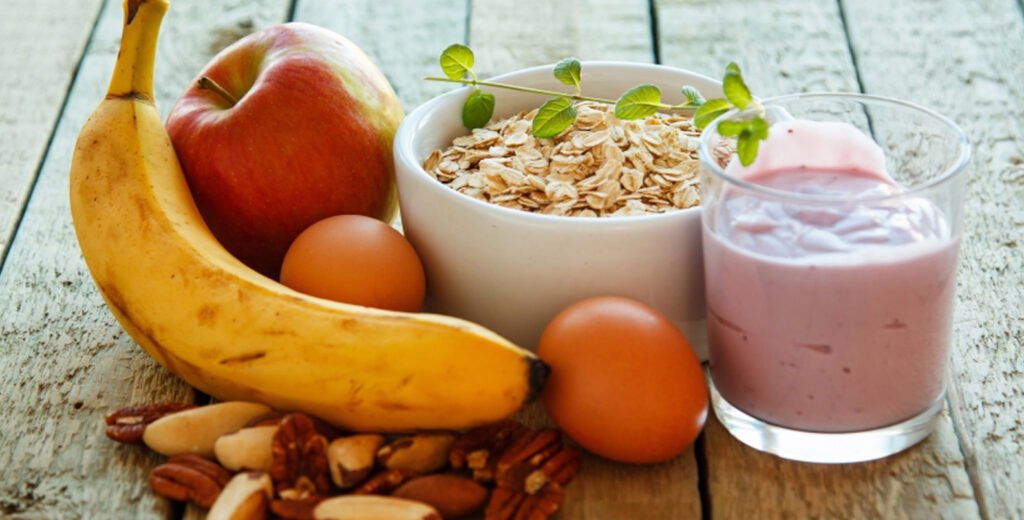
A: A light protein-based snack like eggs may support satiety and sleep, as long as it’s not a heavy meal.