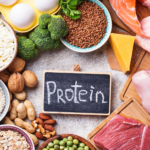

There are a number of signs you’re not eating enough, like persistent hunger or agitation. Low energy, hair loss, and frequent illness are other possible symptoms. It might be difficult to reach and stay at a healthy weight for your body, particularly in a world where food is readily available. However, not receiving enough calories can also be a problem, whether it’s because of deliberate dietary restriction, a decrease in appetite, or other factors. Frequent undereating can result in many mental, physical, and emotional health problems. We explored some indicators that you might not be eating enough.
Consider getting help if you’re obsessed with food or your weight, feel bad about the foods you eat, or follow restrictive regimens. These actions could be signs of an eating problem or a disturbed relationship with food. Anybody, regardless of gender identity, ethnicity, age, socioeconomic background, or other identities, can be impacted by disordered eating and eating disorders. They are not limited to exposure to diet culture; they can be brought on by any combination of biological, social, cultural, and environmental factors.
Indicators Tell That You’re Not Eating Enough

1. Lack Of Energy
Persistent weariness or paleness is one of the signs you’re not eating enough. Your body’s metabolic rate is naturally reflected in the energy your body receives each day. A typical person needs to consume roughly 1000 calories. You must consume more than 1000 calories if you engage in a lot of physical activity throughout the day.
Hormones are crucial for maintaining the equilibrium of energy sources. Your body will retain excess nutrients as fat if you consume more than it requires. Conversely, you will lose weight if you eat less. Because they lose their appetite, elderly adults frequently consume less than their bodies require. Even very mild physical tasks, like walking or climbing stairs, can wear them out at that point.
2. Hair Loss
Hair loss can be upsetting emotionally, frequently causing worry, physical discomfort, and a clear decline in self-esteem. Normal daily hair loss is normal, but a sudden rise in hair loss while washing or combing can signal a need for underlying nutritional inadequacies. Malnutrition robs the body of the fundamental building blocks it requires to keep hair strong and healthy.
Hair growth, strength, and follicle health all depend on vitamins A, D, and E as well as other minerals including iron, zinc, and protein. Lack of these nutrients makes hair thin, weak, and more likely to fall out or break. When the body is in survival mode, it gives the heart, brain, and lungs the most attention. This means that nutrients are taken away from things that aren’t important, like growing hair. Consequently, hair health usually deteriorates first, therefore good nutrition is quite vital for both preventing and reversing nutrient-related hair loss.
3. Constantly Feeling Hungry
Often, the first warning signs of not eating enough are pale skin, persistent fatigue, and always hungry. Your body switches to conservation mode when you regularly eat too little, which causes hormonal changes that raise hunger signals. Studies reveal that variations in appetite-regulating hormones like ghrelin and leptin drive the appetite to increase in order to help restore energy balance. You could therefore find it challenging to feel satisfied even after eating and have regular cravings.
Furthermore, insufficient food intake causes body tension that drives up cortisol production, the main stress hormone. Increased cortisol levels are highly linked with fat storage, especially around the stomach region. Regular, well-balanced meals are crucial for general health since over time this hormonal imbalance can slow metabolism, upset energy levels, and complicate weight control more difficult.
4. Infertility
It may also be more difficult to conceive if you are malnourished. The brain’s pituitary and hypothalamus cooperate to regulate the body’s hormones, especially those related to reproduction. The body receives cues from the hypothalamus to create a balanced quantity of hormones. The hypothalamus and pituitary gland, which regulate the body’s synthesis of progesterone, estrogen, and other hormones, receive these messages.
These signals may drop when the body is very hungry, which can alter how many hormones are generated. This can lead to an imbalance in reproductive hormones and make conception challenging. Therefore, make sure you consume a balanced diet if you are attempting to conceive.
5. Sleep Problems
Often resulting in insulin resistance and unwanted weight increase over time, insomnia has been demonstrated to impair the capacity of the body to properly regulate insulin. Good nutrition and sleep are intimately linked, and any imbalances in either could interfere with metabolic functioning.
Although overeating—particularly just before bed—can make it more difficult to fall asleep as a result of digestive stress, undereating also produces a similar difficulty. Insufficient energy in the body causes stress hormones to spike and blood sugar levels to fluctuate, which inhibits restful sleep. Many studies on animals as well as people back up this link between poor sleep quality and the signs you’re not eating enough. A major clue that your body is not getting enough fuel is if you find yourself unable to sleep due to hunger or often waking up during the night hungry. Correct diet is crucial for good sleep, steady blood sugar, and balanced hormones.
6. Mood Changes
It could indicate that you are not getting enough to feed your mind and body if little, everyday events have started to annoy or overload you. Incomplete food intake can mess with brain chemistry and blood sugar levels, which makes it more difficult to manage your emotions. According to a 2020 study, bad eating habits might hurt general mental health and even cause depressive symptoms. Emotional stability depends greatly on the quality and amount of food consumed.
Diets rich in nutrients promote neurotransmitter production and lower inflammation, therefore influencing mood disorders. For instance, following a Mediterranean-style diet rich in fruits, vegetables, whole grains, and healthy fats has been shown to lower inflammatory markers. Conversely, diets rich in calories, processed foods, and bad fats might boost inflammation in the immune system, therefore aggravating mood, raising irritability, and lowering general well-being.
7. Feeling Chilly All The Time
Maintaining heat needs a constant calorie supply; therefore, even a modest energy shortage can produce a significant fall in body temperature. The body starts to save resources by slowing down unimportant functions like heat generation when food intake falls short. This could lead to you feeling particularly chilly even in warm surroundings or when others are at ease. When the body adjusts by reducing its metabolic rate to conserve energy, this effect gets more noticeable during extended times of starvation.
Lower muscle mass and less fat stores might make it more difficult for the body to produce and retain heat. Poor intake of vital nutrients, including carbs and fats, also impairs thermoregulation. This constant sensation of coldness may be a definite warning signs of not eating enough to maintain normal metabolic and temperature-regulating activities over time.
8. Constipation
Constipation is characterized by feeling unpleasant, passing stool slowly, and having fewer than three bowel movements per week, even if the volume of stool may be very tiny. Elderly folks and those with poor diets are more likely to have constipation. Constipation is not unexpected for those who eat too little. First, the body consumes insufficient amounts of food, which causes the colon to generate comparatively little feces. Even if you take a lot of fiber supplements, constipation might still occur when you consume fewer or insufficient nutrients.
9. Anxiety
Mood and emotional stability are greatly influenced by diet. The body can cause sensations of restlessness, irritability, and more anxiety as stress hormones rise to make up for insufficient energy. Restrictive weight reduction regimens failing to supply enough nutrients make this very frequent. Maintaining mental health depends on eating a balanced diet, especially one high in omega-3 fatty acids found in fatty fish, walnuts, and flaxseeds.
Studies reveal that omega-3 fats promote brain function and may aid in the relief of stress and anxiety symptoms. To successfully control anxiety while working to lose weight, it’s crucial to concentrate on nutrition instead of starvation. Planning a nutritious diet with a science-based lifestyle—sufficient sleep, regular exercise, and stress management—ensures constant energy levels, boosts immunity, and greatly reduces the incidence of physical and mental illness over time.
Read More: 9 Healthy Foods That Boost Creativity
The Long-Term Effects of Malnutrition on Your Health
Many people mistakenly believe that malnutrition just means signs you’re not eating enough; it also refers to eating a diet lacking in key nutrients. Malnutrition can gradually harm the body and have severe consequences for physical and mental health over time. If the body doesn’t get enough protein, vitamins, minerals, and good fats, it will start to focus on things like keeping the heart, lungs, and brain working well. This means that other things like hair growth, hormone balance, and immune defense will be forgotten about.
Constant weariness and weakness are among the first symptoms of poor nutrition. Metabolism slows down, body temperature falls, and muscular mass progressively declines without enough energy. Hormonal imbalances can cause sleep problems, more stress, and insulin resistance, which can make you gain weight instead of losing it. Bad diet also compromises the immune system, therefore increasing the body’s vulnerability to infections and making it sluggish to heal from sickness or damage.
Equally affected is mental health. Research has found clear correlations between sadness, anxiety, and irritability and inadequate nutritional intake. Nutrient-poor, heavily processed foods can trigger inflammation that can further impair brain chemistry and mood control. Chronic malnutrition can also lower memory and focus, as well as compromise cognitive ability.
Nutrient shortages including iron, calcium, and vitamin D over time can result in anemia, weak bones, and higher fracture risk. Other possible symptoms include hair loss, skin disorders, and digestive problems. Protecting long-term health, enhancing mental wellbeing, and guaranteeing the body works at its best at every phase of life depend on keeping a balanced, nutrient-rich diet.
FAQ
Q: When you don’t eat enough, what happens to your body?
A: Losing weight, feeling exhausted, being sick more often, hair loss, or skin issues are some indicators that you’re not eating enough. Depression and irregular menstruation may develop over time. Children may not develop as anticipated.
Q: How can I determine if I’m eating enough?
A: There are a number of indicators that you may not be eating enough, including persistent hunger and agitation. Low energy, hair loss, and frequent sickness are some possible symptoms. It might be difficult to reach and stay at a healthy weight for your body, particularly in a world where food is readily accessible.
Q: Can eating too little make you feel ill?
A: You may have nausea if you don’t eat. An accumulation of stomach acids or spasms brought on by hunger sensations might be the cause of this. Find out more about the causes of nausea brought on by an empty stomach and how to treat hunger-related nausea.