
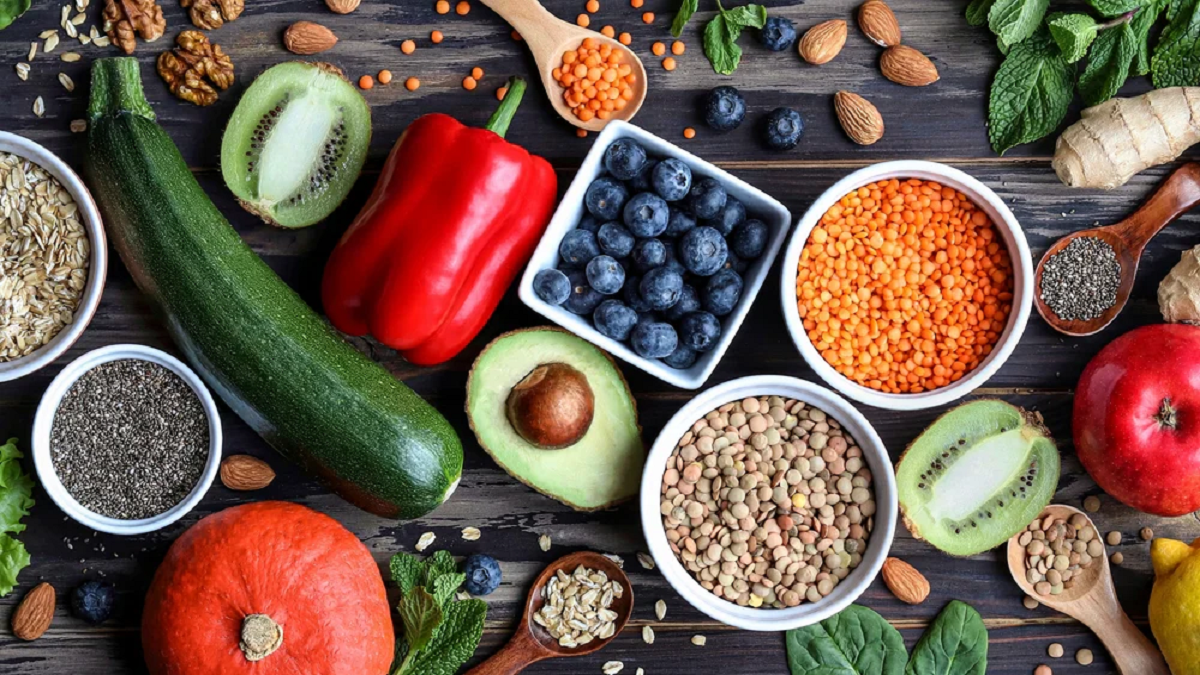
The link between the health benefits of functional foods and general health is more important than ever in our fast-paced environment. The “Kitchen to Cure” idea emphasizes how our food choices and preparations may have a significant impact on preserving health, averting illness, and increasing lifespan.
Functional foods have emerged as a key component of this strategy as nutrition continues to change. Foods that provide particular health advantages, support a variety of body processes, and guard against chronic diseases are known as functional foods.
The bioactive ingredients in functional meals are mostly responsible for these health advantages. Phytochemicals (carotenoids, polyphenols, dietary fiber, phytosterols, etc.), omega-3 fatty acids, vitamins, minerals, probiotics, and prebiotics are some of the most important bioactive ingredients.
Why Functional Foods Are Crucial

1. Prevent Nutrient Deficiencies
Important elements, including vitamins, minerals, fiber, and healthy fats, are often found in functional meals, which is one of the health benefits of functional foods. You can make sure you receive the nutrients you need and guard against nutrient deficiencies by packing your diet full of functional foods, including both conventional and fortified foods.
In many regions, the introduction of fortified foods has helped reduce the prevalence of certain nutrient deficiencies, although they still remain a concern in some parts of the world.
2. Protect From Disease
Important nutrients included in functional meals may aid in illness prevention. Many of these foods are rich in antioxidants. By helping neutralize harmful molecules called free radicals, antioxidants may reduce cell damage and lower the risk of chronic conditions such as diabetes, cancer, and heart disease.
Other varieties contain high levels of fiber, which may help improve blood sugar regulation and lower the risk of conditions such as diabetes, obesity, heart disease, and stroke. Additionally, a fiber-rich diet supports healthy digestion and may help reduce the risk of issues such as acid reflux, diverticulitis, and hemorrhoids. Its role in reducing stomach ulcer risk is still being studied.
3. Encourage Development and Growth
Functional foods support overall well-being and healthy growth by contributing important nutrients that promote proper development throughout life. Strong bones and good skeletal health depend much on enhanced dairy products, including milk, cheese, and yogurt rich in calcium and vitamin D.
Particularly important during youth, adolescence, and older adulthood, when bone density varies greatly, these nutrients are essential. Legumes like beans, peas, and lentils are also a great source of plant-based protein that helps your muscles grow and heal.
They also provide vital minerals, including iron, magnesium, and potassium, which boost nerve function and energy generation. Adding a well-rounded combination of fortified dairy and legumes, among other foods, can help people maintain long-term health, muscle strength, and sustainable growth, as well as improve their nutritional intake.
4. Prevent Chronic Disease
Some functional foods may play an important role in reducing the risk of long-term health problems like type 2 diabetes, heart disease, and certain cancers, thanks to their combination of antioxidants, fiber, and other protective compounds. Dark chocolate, nuts, seeds, green tea, leafy vegetables, and berries are rich in antioxidants, including flavonoids, polyphenols, and vitamin C.
Consistently eating these foods may help reduce inflammation, support heart health, promote stable blood sugar levels, and contribute to a stronger immune response. This protective effect helps the body manage free radicals over time, supporting overall health and potentially lowering the risk of serious illnesses.
5. Strengthen Bone Health
As one gets older, bone health becomes more and more crucial since the chance of osteoporosis and fractures increases. Essential for reinforcing the skeletal system and preserving bone density are functional foods high in calcium and vitamin D.
For those with lactose intolerance, plant-based options like soy or almond milk enhanced with calcium make great replacements. Fortified cereals also give you the minerals you need every day for healthy bones.
Regularly including these foods in your diet can help support bone density, aid natural tissue repair, and contribute to stronger bones over the long term. For kids and teenagers, the health benefits of functional foods are very important because they help bones and bodies grow properly during the crucial early years.
6. Improve Digestive Health
General well-being depends on digestive health; hence, functional foods, including probiotics and prebiotics, are quite important for keeping it in good shape. Probiotics, which are in yogurt, kefir, sauerkraut, and kombucha, add good bacteria that help keep the bacteria in your gut in balance.
Found in foods like bananas, garlic, and whole grains, prebiotics fuel these good bacteria and help them to work better. Together, they support better nutrient absorption, help regulate bowel movements, and may ease symptoms of certain digestive conditions, such as irritable bowel syndrome (IBS), for some individuals.
Apart from reducing suffering, a robust digestive system boosts the immune system since a large part of immunity is related to gut health. Regular consumption of these functional foods helps to maintain general body resilience as well as long-term digestive equilibrium.
Read More: 9 Health Benefits of Eating Walnuts
7. Boost Immune System Function
The immune system works tirelessly to defend the body from infections, and the role of functional foods is to provide vital nutrients to keep it strong and effective. Vitamin C-rich foods, such as citrus fruits and fortified juices, boost white blood cell production, while zinc-enriched cereals and nuts support the development of immune cells.
Functional mushrooms such as shiitake, and certain varieties used in traditional wellness practices like reishi, contain bioactive compounds that may offer immune-supporting properties. Incorporating these foods into the diet helps the body respond better to viruses, bacteria, and other harmful agents.
This support is especially important for older adults, people with weakened immunity, or those recovering from illness. A diet rich in functional foods strengthens natural defenses and promotes long-term health and resilience against infections.
8. Regulate Blood Sugar Levels
Offering a natural way to support diabetes and prediabetes management, functional foods may help regulate blood sugar and support healthier insulin sensitivity. Foods high in fiber, like whole grains, oats, and legumes, help your body break down carbs more slowly.
This helps slow the absorption of carbohydrates, which can prevent sharp spikes in blood sugar. Cinnamon is a spice that may improve insulin sensitivity and help support healthier blood sugar levels when used alongside a balanced diet and lifestyle. Rich in soluble fiber, fenugreek seeds are likewise helpful in controlling blood sugar.
Including these foods in daily meals can support blood sugar management and long-term health, but any changes to medication should always be made in consultation with a healthcare professional. For naturally controlling diabetes, a sustainable approach is frequent intake of fiber- and nutrient-rich functional foods.
9. Improve Brain Health and Cognitive Function
Although growing older brings cognitive decline, functional foods can help keep the brain healthy, memory sharp, and ability to concentrate. Fish, almonds, and flaxseeds provide omega-3 fatty acids, which play a role in supporting brain cell structure and communication.
Curcumin, a compound in turmeric, is being studied for its potential to influence brain health and may help reduce processes linked to cognitive decline, although more research is needed in humans. Green tea, which contains caffeine and L-theanine, can help you focus, remember things, and relax.
Research suggests that diets rich in brain-supporting functional foods may help lower the risk of cognitive decline and support aspects of mental performance and mood, which are important for long-term brain and mental health.
Wrapping Up
Certain functional foods may reduce the risk of long-term health issues, including heart disease, type 2 diabetes, and certain types of cancer, because they are high in antioxidants.
Effective communication of claims regarding the possible health benefits of functional foods or food ingredients is necessary, but it’s also important to discuss the distinctions between structure-function and health claims more broadly so that consumers can comprehend the variations in the scientific foundations of these claims.
A whole lifestyle approach to health should include regular exercise, abstaining from tobacco, managing stress, maintaining a healthy body weight, and other beneficial health behaviors. Diet is only one component of this strategy. Functional foods are most effective when they are part of a broader healthy lifestyle that also includes regular exercise, stress management, not smoking, and maintaining a healthy body weight.
FAQ
Q: What advantages can functional foods offer?
A: Functional foods can support healthy growth and development in many ways. For example, fortified dairy products provide calcium and vitamin D for strong bones, while legumes such as beans, peas, and lentils supply protein and key minerals that support muscle development and overall health. Many nutrient-dense foods also contribute to a stronger immune system and better recovery from illness or injury.
Q: Which two types of functional foods are there?
A: Foods sold for their particular health advantages are known as functional foods, and they are often featured on store packaging. These foods may be divided into two main groups: natural health-promoting ingredients in everyday meals and enhanced foods fortified with extra nutrients.
Q: What problems do functional foods present?
A: Beyond simple nourishment, functional meals enhanced with bioactive substances provide additional health advantages. Despite their potential, functional foods face challenges such as varying regulatory standards between countries, difficulties in scaling production while maintaining quality, and the instability of some bioactive compounds during processing and storage.